Person
Michael Abbott
Instructor, Stanford CS153

Stanford CS153 Frontier Systems | Building the Frontier Ecosystem
Microsoft framed its OpenAI bet as a compute-concentration decision rooted in a long-running natural-language ambition, then extended that logic into a frontier AI ecosystem where companies can build proprietary, data-rich “hill climbing” systems. The episode also covered Microsoft’s push for local AI hardware, new agent form factors like Scout and Project Solara, and a dual-track quantum strategy spanning near-term partner hardware and long-term Majorana-based fault-tolerant computing.
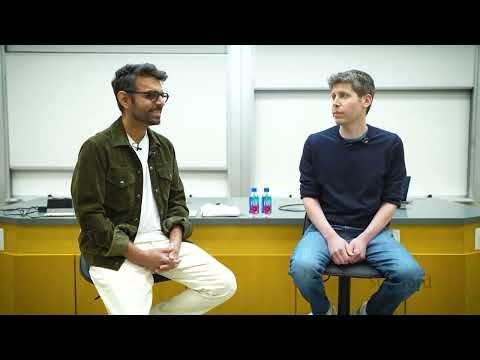
Stanford CS153 Frontier Systems | Scale, AGI, and the Future of Everything
Sam Altman argues that AI changes startup economics, with token spend substituting for large teams and scale producing unexpected emergent returns. He also says frontier labs must build for inference, expects compute shortages to persist, and warns education and redistribution systems need redesign in an AI-native world.

Stanford CS153 Frontier Systems | The Road Ahead: Resilience Required
Joe Sullivan traces his path from early DOJ internet access and building security programs at eBay, Facebook, Uber, and Cloudflare to his federal case over Uber’s 2016 bug bounty response. He then argues that cybersecurity is shifting toward resilience, AI-driven code and agent risk management, and smarter regulation for frontier technologies.

Stanford CS153 Frontier Systems | The Discipline of Delivering Value per Gigawatt
Amin Vahdat argues that frontier AI infrastructure should be judged by value delivered per gigawatt, not by raw capacity or capex alone. He explains how Google is scaling TPUs, networking, and data centers around reliability, system balance, and long-lead power constraints.